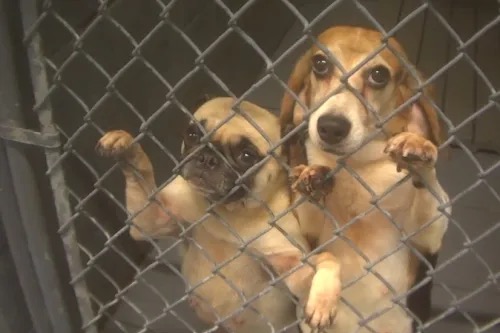
You care about animals. You see something happening to them and think, someone should do something about that. But how do you go from caring about animals to actually becoming an animal advocate?
You do not need a law degree, a nonprofit, a huge social media following, or a 50-item list of things you should be doing.
Becoming an animal advocate starts with four practical steps: choose something specific you want to change, figure out who can affect that outcome, learn enough about the issue to be useful, and keep showing up.
In this episode of The Animal Advocate, I break down what animal advocacy actually looks like, the many different ways you can help animals, and how to take your first meaningful step this week.
In this episode, you’ll learn
-
- What it actually means to be an animal advocate
- Why animal advocacy is much broader than lobbying, protesting, or speaking at public meetings
- Different ways to advocate for companion animals, community cats, wildlife, and farmed animals
- How your existing professional skills can help animals
- Why choosing one specific issue is more effective than trying to “help animals” generally
- How to identify the person, organization, company, or government body that can actually change an outcome
- Why activity and effective advocacy are not always the same thing
- How much you need to know before you start advocating
- Why you probably do not need to start your own nonprofit
- Why consistency matters more than credentials
- One concrete action you can take this week to begin advocating for animals
What Is an Animal Advocate?
An animal advocate is someone who takes purposeful action to improve something for animals.
That might mean helping one animal, supporting a shelter or rescue, keeping animals from entering shelters in the first place, changing a company's practices, educating your community, or working to change a law or government policy.
The common thread is simple: you move from caring about something to doing something useful about it.
Animal advocacy does not have to look like standing at a microphone, joining a protest, or becoming a lawyer. Fostering, volunteering, transporting animals, serving on a board, donating, helping with community cat programs, supporting wildlife rehabilitation, and using your professional skills can all be forms of advocacy.
How Do You Become an Animal Advocate?
There are four basic moves.
1. Pick Something Specific You Want to Change
“I want to help animals” is a value. It is not yet a project.
Start with the issue you keep coming back to.
Maybe your local shelter needs foster homes. Maybe people in your community cannot afford veterinary care. Maybe dogs are being left outside in dangerous weather. Maybe you care about community cats, wildlife habitat, puppy mills, or farmed animals.
You do not have to identify the single most important animal issue.
Choose something you care enough about to continue working on after the first burst of enthusiasm wears off.
Then narrow it.
“I want to end animal cruelty” is difficult to act on.
“I want my municipality to protect dogs left outside during dangerous weather” gives you something specific to work toward.
A specific problem gives you a next step.
2. Figure Out Who Can Change the Outcome
Before deciding what action to take, ask:
Who can actually change this?
The answer is not always government.
If your goal is helping a shelter recruit more foster homes, your first call might be to the shelter.
If you want a company to change a practice, the decision-maker may be the company.
If families are surrendering animals because they cannot access veterinary care, you may first need to understand what services already exist locally.
And if the problem involves a law or government policy, your decision-maker might be a city council, county commission, state legislature, or government agency.
Starting with the outcome instead of the activity can prevent a lot of wasted effort.
Posting angry comments, tagging organizations that have no authority over the issue, or signing an online petition and assuming the work is finished may feel like action.
But activity and effectiveness are not the same thing.
3. Learn Enough to Be Useful
You do not need to know everything before getting involved.
You need to know enough to understand the problem.
Talk to people already doing the work. Find out what has already been tried. Ask what the real obstacle is.
If you want to volunteer, ask an organization what it genuinely needs.
If you want to keep animals out of shelters, learn why people in your community are surrendering them.
If you want to change a policy, read the policy first.
National animal organizations, state advocacy groups, local shelters and rescues, veterinarians, animal control officers, humane officers, and social service organizations may all understand different parts of the issue.
One conversation with someone who has worked on a problem for years can save you months of going in the wrong direction.
And unless no organization is doing the work you want to do, you probably do not need to immediately start another nonprofit.
Sometimes an existing organization needs your skills more than the world needs another organization.
4. Keep Showing Up
There is no license, exam, degree, or certification required to become an animal advocate.
The harder part is staying involved.
Passion is common. Reliability over time is much rarer.
If you tell a rescue you will photograph six dogs on Saturday, show up Saturday.
If you join a board, do the work between meetings.
If you offer your professional expertise, follow through.
If you begin working on a policy change, expect it to take longer than you think.
Your first action may make you feel like an advocate.
Your second, third, and twentieth actions are what make you useful.
What Are Some Ways to Advocate for Animals?
There is no single correct way to become an animal advocate.
Depending on your interests, time, skills, and community, advocacy might include:
- Adopting or fostering animals
- Providing short-term or emergency foster care
- Volunteering with a shelter or rescue
- Transporting animals
- Photographing adoptable animals
- Writing adoption profiles
- Helping with fundraising, bookkeeping, marketing, IT, HR, or grant writing
- Serving on an animal organization's board
- Supporting pet food pantries or low-cost veterinary programs
- Helping families keep pets during emergencies
- Participating in trap-neuter-return or community cat care
- Supporting wildlife rehabilitation or habitat projects
- Working on corporate animal welfare policies
- Advocating for stronger animal protection laws
- Donating consistently to organizations doing effective work
The best form of advocacy is not the one that makes you look most like an advocate.
It is the one that fits your life well enough that you will continue doing it.
How to Start Advocating for Animals This Week
If you are wondering how to become an animal advocate, you do not need to start by trying to solve every problem affecting animals. Start with one issue you care enough about to act on.
Find one person or organization already connected to that issue and spend a little time learning about the work they are doing. Then choose one concrete action you can take this week.
That might mean emailing a shelter to offer a professional skill, applying to foster, volunteering for an animal transport, attending a local meeting, making a donation, or simply asking an organization what kind of help it actually needs.
The goal is not to create a long list of everything you could possibly do for animals. It is to identify one useful first step and take it.
As Penny explains in the episode, you become an animal advocate by advocating.
Key Takeaway
Becoming an effective animal advocate does not require special credentials or trying to solve every problem facing animals.
Choose one specific problem. Identify who can affect the outcome. Learn enough to contribute effectively. Then keep showing up.
You become an animal advocate by advocating.
Episode Highlights
00:00 – Why “50 Ways to Help Animals” Can Leave People Doing Nothing
Why overwhelming lists of advocacy actions often make it harder for animal lovers to know where to begin.
02:01 – What Does It Mean to Be an Animal Advocate?
Penny defines animal advocacy and explains the difference between caring about animals and taking purposeful action.
02:43 – The Four Steps to Becoming an Animal Advocate
The simple framework: choose something specific, identify who controls the outcome, learn enough to be useful, and keep showing up.
03:11 – Animal Advocacy Is Bigger Than Protests and Politics
Why fostering, volunteering, transporting animals, donating, and many other activities count as advocacy.
05:07 – Use the Skills You Already Have
How professional skills like bookkeeping, marketing, photography, HR, IT, fundraising, and grant writing can be extremely valuable to animal organizations.
06:58 – Pick One Animal Issue
Why “I want to help animals” needs to become a specific, actionable goal.
08:41 – Find the Person Who Can Actually Change the Outcome
How identifying the real decision-maker can prevent wasted advocacy effort.
10:18 – Activity vs. Effective Advocacy
Why posting, arguing, tagging organizations, or signing petitions does not automatically create change.
11:16 – Learn Enough to Be Useful
Why advocates do not need to become experts before acting, but should understand the problem and learn from people already doing the work.
12:25 – Do You Really Need to Start a Nonprofit?
Why joining or strengthening an existing organization is often more useful than creating another one.
13:06 – Why Consistency Matters More Than Credentials
You do not need a degree or certification to advocate for animals. You do need to follow through.
15:08 – How to Start Advocating for Animals This Week
Concrete first steps you can take immediately.
16:18 – Your Animal Advocacy Assignment
Choose one issue, find one person or organization connected to it, and make one concrete move.
Frequently Asked Questions
What is animal advocacy?
Animal advocacy is purposeful action intended to improve something for animals. It can include direct service, volunteering, fostering, education, organizational support, corporate advocacy, community programs, or efforts to change laws and public policy.
How do I become an animal advocate with no experience?
Start with one animal-related issue you care about. Identify an organization or person already working on that problem, learn what they need, and take one concrete action. You can build knowledge and experience as you continue participating.
Do I need a degree to become an animal advocate?
No. There is no required degree, license, exam, or certification for becoming an animal advocate. Professional expertise can be valuable, but reliability, willingness to learn, and consistent action matter too.
Can volunteering at an animal shelter be animal advocacy?
Yes. Shelter volunteering can be an important form of animal advocacy. Shelters may need help with animal care, photography, adoption profiles, events, administrative work, transportation, fundraising, and many other tasks.
Can I advocate for animals if I do not have much time?
Yes. Advocacy does not have to involve a major ongoing commitment. Short-term fostering, driving one part of an animal transport route, offering a professional skill, attending a local meeting, making a recurring donation, or completing another specific task can all contribute.
Should I start an animal rescue or nonprofit?
Not necessarily. Before starting a new organization, find out whether an existing organization is already doing the work you care about. It may be more effective to contribute your time, skills, or resources to an organization that already has the infrastructure in place.
What is the first step in animal advocacy?
Choose one specific issue affecting animals that you want to improve. Then identify one person, organization, company, or government body connected to that issue and learn what action would actually help.
Transcript
Penny Ellison [00:00:02 - 00:00:36]
Somewhere right now, there's a person who loves animals, has a free evening, and no idea what to do with it. So they type, how to become an animal advocate, into Google. And the internet hands them a numbered list of 50 things. 50! Numbered 1 to 50, in no particular order. Number 2 is asking your local restaurant to offer more plant-based options. Somewhere in the 40s is combating global wildlife trafficking. Both are fine things to do. They are not the same afternoon.
Penny Ellison [00:00:37 - 00:01:54]
So you close the tab, nothing happens, and you feel vaguely worse than before you looked. Other sites will tell you to sign up for an email list, which is a lovely thing to do for a nonprofit's mailing list and does very little for the animals suffering right now. So how do you go from being someone who's upset about the treatment of animals to someone who advocates for them? It's more straightforward than those long lists lead you to believe, and I can help you get started right now. Welcome to The Animal Advocate, where we arm animal lovers with the information and inspiration you need to become effective advocates. I'm your host, Penny Ellison, and I've taught animal law and advocacy at the University of Pennsylvania since 2006. If you've ever thought someone should do something about that, I'm here to guide you on your journey to being that someone. You can find us on the web at animaladvocacyacademy.com, and that's where you'll find show notes and resources, and you can send us your comments on episodes and ideas for topics you'd like to hear on future shows. So, on to today's topic.
Penny Ellison [00:02:01 - 00:02:42]
So I just said in the intro, if you think someone should do something about that, this is your guide to being that someone. So today's topic is, how do you become an animal advocate? So let's start with what being an animal advocate means. An animal advocate is someone who takes purposeful action to improve something for animals. That can mean helping one animal. It can mean helping a shelter or rescue do its work better. It can mean changing what a company does. It can mean changing a law. The common thread is that you move from caring about something to doing something useful about it.
Penny Ellison [00:02:43 - 00:03:10]
And there are 4 basic moves. Pick something specific you want to change. Figure out who or what controls that outcome. Learn enough about the problem to be useful. Then keep showing up. That's basically it. We've managed to make it look a lot more complicated. The first thing I want to do is widen the definition of advocacy.
Penny Ellison [00:03:11 - 00:03:43]
Because I think people hear animal advocate and imagine one particular type of person. Maybe someone standing at a microphone at a city council meeting. Maybe someone protesting outside a laboratory. Maybe a lawyer. Maybe the person on Instagram who appears to be furious before breakfast every single day. Advocacy is a much bigger tent than that. You know the basics for companion animals. Adopt, foster, volunteer, donate.
Penny Ellison [00:03:45 - 00:04:26]
All real, all needed. But even those come in more forms than most people realize. Fostering isn't only about taking a 12-week-old puppy into your house until somebody adopts her. It can mean keeping a dog for one weekend so the regular foster family can go to a wedding. Bottle kittens in April, kitten season. Recovery care after surgery, just take an animal home that can't recover from surgery in the shelter. Hospice for a senior dog with a few good months left, or Fospice as we call it. Sometimes the commitment you can make is 3 months.
Penny Ellison [00:04:27 - 00:05:06]
Sometimes it's 3 days. Similarly, volunteering isn't only dog walking. Shelters need photographers, and a good photo can be the difference between an animal being noticed and overlooked. They need bios written, laundry folded, data entered, events staffed, adopters called a week later to see how things are going. Transport is advocacy. Animals move from places where they have few options to places where they're more likely to be adopted, sometimes one volunteer driver at a time. You don't have to drive 6 hours. You can drive maybe one leg of that route.
Penny Ellison [00:05:07 - 00:06:07]
And one of the most overlooked ways to help animals is to use whatever you already know how to do. Your day job may be worth more than your hands. Bookkeeping, IT, grant writing, HR, design, fundraising, marketing, photography. Somewhere tonight, a rescue director is doing payroll at 11 at night, and she didn't go to school for that. Offer what skill you have first. Board service is advocacy too, the real kind, with governance and fundraising and responsibility for whether the organization succeeds. So is keeping animals out of shelters in the first place. Pet food pantries, temporary boarding for somebody in the hospital or someone leaving a violent home, maybe a ride to the veterinarian, helping a neighbor repair a fence so their dog doesn't get out anymore.
Penny Ellison [00:06:08 - 00:06:57]
Sometimes the best shelter intervention is making sure the animal never needs the shelter. If community cats are your issue, There's trap-neuter-return and colony care. If wildlife is your issue, there are rehabilitation organizations, habitat projects, local policy fights, and public education. If farmed animals are the issue you can't stop thinking about, there are organizations working on everything from corporate practices to legislation to new food systems. And yes, money is a form of advocacy too. Organizations can't do this work on good intentions. You don't need to be wealthy. A reliable monthly donor is useful because the organization can plan around that money.
Penny Ellison [00:06:58 - 00:07:29]
So before you decide you're not really an advocate because you don't want to stand up at a microphone, stop. There are a lot of ways in. The question isn't which one makes you look The most like an advocate. The question is which one fits your life well enough that you'll keep doing it. And that brings us to the first move: pick something specific. I want to help animals is a value. It's not yet a project. Start with the thing you keep coming back to.
Penny Ellison [00:07:30 - 00:07:55]
Maybe it's the dogs chained outside in your neighborhood every winter. Maybe it's the shelter that never has enough foster homes. Maybe it's people giving up animals because they can't afford veterinary care. Maybe it's the pet store you drive by every week with puppies in the window. Maybe it's community cats. Maybe it's wildlife habitat. Maybe it's factory farming. You don't have to choose the most important animal issue.
Penny Ellison [00:07:56 - 00:08:40]
That's a good way to spend 6 months deciding and 0 months doing anything. Choose something you care enough about To keep working on after the first burst of enthusiasm wears off. Then narrow it. I want to end animal cruelty is too big. It can't tell you what to do on a specific day. I want to help my local shelter find more foster homes is something you can work on. I want people in my neighborhood to have access to low-cost spay and neuter is something you can work on. I want my municipality to protect dogs left outside in dangerous weather is something you can work on.
Penny Ellison [00:08:41 - 00:09:40]
A specific problem gives you a next step. Then comes your second move: figure out who or what controls the outcome. This doesn't always mean government. If you want to help shelters recruit fosters, the place to start may be the shelter. If a company is doing something you want changed, the decision maker may be the company, and it likely is. If people are surrendering animals because they can't get veterinary care, you may need to look at what services already exist locally before deciding what would help. And if the problem is law or government policy, Then yes, your decision-maker may be a city council, county commission, state legislature, or executive agency. That kind of advocacy is its own skill set, and I'm doing a separate episode on how animal protection laws get passed.
Penny Ellison [00:09:40 - 00:10:16]
For today, the point is simpler. Don't start with the action. Start with the outcome. Then ask, Who can change this? That one question will save you an enormous amount of wasted effort. Because there are things that feel like advocacy that usually aren't. Arguing in the comments under a shelter's post about an animal whose outcome was already decided— not advocacy. Tagging a rescue group in a cruelty post when the rescue has no authority to enforce cruelty laws. Not advocacy.
Penny Ellison [00:10:18 - 00:11:15]
Signing an online petition and assuming your work is done? Mm, not really advocacy. Getting angry at a shelter for a policy that may have been set by the government agency funding it? Not advocacy. Every one of those things can give you the feeling of having done something, but activity and effectiveness are not the same thing. Before you act, ask who can change the outcome. Which brings us to the 3rd step: learn enough to be useful. Not everything, enough. This is where people often go in one of two directions. Somebody reads a couple of posts on Facebook and immediately becomes the world's leading expert, or Somebody decides she can't possibly speak up until she has read every study, every statute, and every annual report published since 1987.
Penny Ellison [00:11:16 - 00:11:48]
I will tell you, I tend to fall in the latter category. But neither of these is necessary. Learn enough to understand the problem. Talk to people already doing the work. Find out what's been tried. Ask what the real obstacle is. If you want to volunteer, ask what the organization genuinely needs instead of arriving with the job you decided you want to do. If you want to keep animals out of shelters, ask why people are surrendering them.
Penny Ellison [00:11:49 - 00:12:24]
If you want to change a policy, read the policy first. I learned that as a lawyer. National animal organizations have people working on particular issues. States also have advocacy organizations. Local shelters and rescues know where the gaps are. Veterinarians, animal control officers, humane officers, and social service organizations may see parts of the problem that you don't. So ask. One conversation with somebody who's been working on the issue for 10 years can save you months.
Penny Ellison [00:12:25 - 00:13:06]
And unless there's truly nobody doing the work you want to do, you probably don't need to start a nonprofit. I've started nonprofits. This is not a recreational activity. Before you create a board, bylaws, insurance, a bank account, an IRS filing, and a brand new reason to learn accounting software, find out whether there's an organization already doing this work. Maybe they need you more than the world needs another organization. And then the 4th move: keep showing up. This is the part those lists leave out. The bar to becoming an advocate is low.
Penny Ellison [00:13:06 - 00:13:48]
There's no license, no exam, no certification board that decides whether you care enough about animals long enough to qualify. I teach animal law at the University of Pennsylvania. You know what the law degree mostly qualifies me to do? Read long documents that no sane person wants to read. It's handy, but it's not required. Some of the most effective advocates I know came to this from accounting or nursing or just being furious about one specific dog. The harder part is staying. Passion is common. Reliability over time is much rarer.
Penny Ellison [00:13:49 - 00:14:27]
If you tell the rescue you'll photograph 6 dogs on Saturday, show up on Saturday. If you join a board, don't just show up for the meetings, do the work between meetings. If you offer your professional expertise, follow through. If you start working on a policy, expect it to take longer than you think. The first action is what makes you feel like an advocate. The second and third and 20th are what make you useful. And you won't always win. Sometimes the foster dog you promoted doesn't get adopted.
Penny Ellison [00:14:28 - 00:15:07]
Sometimes the fundraiser is a disappointment. Sometimes the organization you volunteer for frustrates you. And sometimes The law doesn't change. Sometimes you discover that the problem is harder than it looked from the outside. That doesn't mean that the work was pointless. It means you've moved from caring about animals in the abstract to doing the much messier work of trying to improve what happens to them in the real world. So if you've searched, how do I become an animal advocate? Because you were waiting for somebody to tell you where to begin. Here it is.
Penny Ellison [00:15:08 - 00:15:35]
Pick one thing, not all the things, one. Figure out what would make it better. Find the person or organization that can affect that outcome. Learn enough to be useful, then do something this week. Email the shelter and offer the professional skill you already have. Apply to foster. Drive a transport leg. Sign up to give $20 a month.
Penny Ellison [00:15:36 - 00:16:08]
Attend a local meeting. Call an organization already working on the problem and ask how you can help. There's no ceremony when someone declares you an animal advocate. You become one by advocating. Animals have plenty to say, and they're frankly quite clear about it. What they don't have is the ability to walk into the institutions we've built and ask those institutions to change. We can do that. That's the gap an advocate fills.
Penny Ellison [00:16:18 - 00:16:47]
Your assignment this week is simple. Write down the one thing affecting animals that bothers you enough that you want to do something about it. Then find one person or organization already connected to that problem. Not 10, just one. Spend 10 minutes learning what they do, and then make one concrete move. Send the email. Fill out the foster application. Put their next meeting on your calendar.
Penny Ellison [00:16:48 - 00:17:11]
Make the donation. Offer the skill. Ask the question. You don't need a 50-item list. You need a first step. So take it. That's it for today. The Animal Advocate Podcast is brought to you by the Animal Advocacy Academy.
Penny Ellison [00:17:12 - 00:17:59]
You can find episodes You can find all of our episodes and show notes at animaladvocacyacademy.com, along with a link to our Facebook and LinkedIn pages, where we discuss our podcasts, and we'd love to discuss your thoughts and experiences there. If you're interested in learning more about protecting animals, subscribe to the show so you get every episode when it comes out. If you have any questions on this or any other topic related to animal law, email them to podcast@animaladvocacyacademy.com, and we'll make sure to get them answered. We'll either email you back or feature them in a future episode, or both. And remember, compassion is great, but compassionate action is infinitely better. Until next week, live with compassion.
That's it for today. The Animal Advocate is brought to you by the Animal Advocacy Academy. If today's episode got you thinking about what you can do to change things for animals, I want to make sure you know about the four Cs of legislative advocacy for animals. It's a free audio series I put together that gives you a real framework for making legislation happen. You can find it at animaladvocacyacademy.com/fourcs. Subscribe so you don't miss an episode, and if you know another animal advocate who should be listening, send this one their way. Questions on today's topic or anything else, just email us at podcast@animaladvocacyacademy.com. We'll write back, or we'll feature your question in a future episode.
Remember, compassion is great, but compassionate action is infinitely better. Until next time, Live with Compassion.